
If you have searched for “what is oral,” you may be trying to understand what the word “oral” actually means or what people mean when they talk about oral health.
In simple terms, mouth refers to the mouth. It includes the teeth, gums, tongue, inner cheeks, jaw, and other tissues and structures inside and around the mouth. When we use the phrase mouth health, we are talking about the condition and function of these parts of the mouth.
Oral health is more than having a bright smile. Your mouth plays an important role in eating, speaking, swallowing, breathing, and expressing emotions. Good mouth health also helps you maintain your natural teeth and avoid common problems such as cavities and gum disease.
The National Institute of Dental and Craniofacial Research (NIDCR) notes that good mouth health supports everyday functions such as speaking clearly, tasting, chewing, swallowing, and smiling.
So, what is oral health? It is the ongoing care and maintenance of your mouth, teeth, gums, and related tissues so they can remain healthy and function properly.
What Does “Oral” Mean?
The word oral simply means something related to the mouth.
You may see the word used in many different expressions, including:
- Oral health
- Oral hygiene
- Oral care
For example, oral hygiene means the practices you use to keep your mouth clean and healthy. Brushing your teeth and cleaning between your teeth are two of the most important parts of an everyday mouth hygiene routine.
The Oral Hygiene Tips term mouth health, however, is broader than mouth hygiene. Hygiene focuses primarily on cleaning and preventing problems, while oral health includes the overall condition and function of your mouth.
What Is Oral Health?
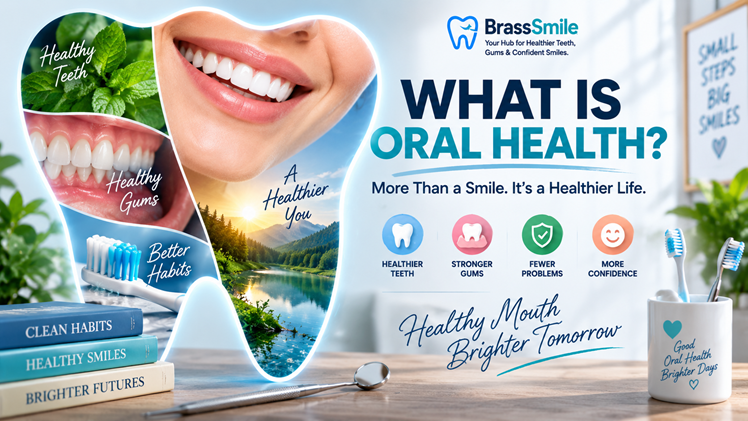
Oral health is the health of your mouth, including your teeth, gums, tongue, and other oral tissues.
A healthy mouth should generally allow you to eat comfortably, speak clearly, swallow normally, and smile without ongoing pain or significant problems.
mouth health involves several areas:
1. Healthy Teeth
Healthy teeth are important for biting and chewing food. Daily plaque control and fluoride toothpaste can help reduce the risk of tooth decay.
The ADA recommends brushing twice a day for two minutes with fluoride toothpaste.
2. Healthy Gums
Your gums surround and support your teeth. Red, swollen, tender, or bleeding gums can be signs of gum disease and should not simply be ignored.
According to NIDCR, plaque can harden into tartar, and persistent plaque and tartar buildup can contribute to inflammation and periodontal disease.
3. A Healthy Tongue and Mouth
The tongue helps with tasting, speaking, chewing, and swallowing. The inside of your cheeks and other mouth tissues also contribute to normal mouth function.
Persistent sores, unusual patches, swelling, or other changes that do not resolve should be evaluated by a dental or medical professional.
4. Comfortable Everyday Function
Mouth health is also about function. Persistent tooth pain, sensitivity, difficulty chewing, or problems swallowing can affect daily life and deserve attention.
Why Is Oral Health Important?
Your mouth is used constantly throughout the day. Every meal, conversation, drink, and smile involves your mouth structures.
Poor mouth health can interfere with eating, speaking, sleep, comfort, and quality of life. Common mouth conditions include tooth decay, gum disease, tooth loss, and mouth cancer. The CDC also notes that oral health challenges can occur throughout life and may be affected by factors such as age, pregnancy, and chronic health conditions.
Oral health matters because it can help you:
- Maintain your natural teeth
- Chew food comfortably
- Speak clearly
- Reduce the risk of cavities
- Protect your gums
- Prevent or manage plaque buildup
- Maintain fresh breath
- Detect mouth problems earlier
- Feel more confident about your smile
Good mouth care isn’t about achieving perfectly white teeth. It is about keeping your mouth healthy, comfortable, and functional.
What Are the Most Common Oral Health Problems?
Several conditions can affect the mouth. Some develop slowly and may not cause obvious symptoms at first.
1. Tooth Decay
Tooth decay, commonly called a cavity, occurs when acids produced by bacteria contribute to the breakdown of tooth enamel.
The CDC explains that bacteria in the mouth use sugars from foods and drinks and produce acids that can damage enamel. If the process continues, a cavity can develop.
Early prevention is important because untreated decay can become more complicated and painful.
2. Gum Disease
Gum disease begins with inflammation caused by plaque buildup. Early gum disease can cause red, swollen, or bleeding gums.
If periodontal disease progresses, it can damage tissues and bone supporting the teeth. NIDCR identifies tobacco use, diabetes, age, genetics, and other factors as possible contributors to gum disease risk.
3. Tooth Sensitivity
Some people experience a sharp, temporary sensation when consuming hot, cold, sweet, or acidic foods and drinks.
Sensitivity can have several causes, including exposed tooth surfaces, enamel wear, cavities, or gum recession. Persistent sensitivity is worth discussing with a dentist because the underlying cause matters.
4. Bad Breath
Occasional bad breath is common, but persistent unpleasant breath can sometimes be associated with mouth hygiene problems, gum disease, dry mouth, or other conditions.
Improving daily mouth hygiene may help, but persistent symptoms should be evaluated rather than covered up with breath mints alone.
5. Tooth Loss
Tooth loss can result from untreated decay, advanced gum disease, trauma, or other conditions.
Preventive dental care and consistent home hygiene can help reduce the risk of some of the problems that contribute to tooth loss.
What Is Oral Hygiene?
Oral hygiene is the routine care you perform to keep your mouth clean and reduce the buildup of plaque.
A strong mouth hygiene routine usually includes:
- Brushing twice daily
- Using fluoride toothpaste
- Cleaning between your teeth daily
- Eating a balanced diet
- Limiting frequent sugary foods and drinks
- Avoiding tobacco products
- Getting appropriate dental care
The ADA recommends brushing twice daily with fluoride toothpaste and cleaning between the teeth once a day with floss or another interdental cleaner.
How to Maintain Good Oral Health
Good oral health doesn’t require a complicated routine. Consistency matters more than having dozens of products.
Brush Your Teeth Twice a Day
Brush for approximately two minutes in the morning and before bed.
Use a soft-bristled toothbrush and fluoride toothpaste. The ADA recommends either manual or powered toothbrushes, provided they are used effectively.
Avoid aggressive scrubbing. Gentle, thorough brushing is preferable to brushing harder.
Clean Between Your Teeth
A toothbrush cannot effectively clean every space between your teeth.
Floss or use another appropriate interdental cleaner once a day. The ADA says the best time to clean between your teeth is the time that fits your routine well enough for you to do it consistently.
Pay Attention to Your Diet
What you eat and drink can influence your risk of tooth decay.
Frequent consumption of sugary foods and drinks can provide fuel for bacteria that produce acids capable of damaging enamel. NIDCR recommends making smart food choices, limiting sugary foods and drinks, and avoiding tobacco products.
Drink Water
Water can be a simple addition to your oral-care routine. Staying hydrated is particularly useful when your mouth feels dry.
Dry mouth can increase the risk of cavities and other oral problems because saliva plays an important protective role.
Replace Your Toothbrush Regularly
A worn toothbrush may not clean as effectively as it should.
The ADA recommends replacing toothbrushes every three to four months, or sooner if the bristles become visibly worn or frayed.
What Is the Role of Fluoride in Oral Health?
Fluoride is an important part of cavity prevention.
It helps strengthen tooth enamel and supports the tooth’s ability to resist acid-related damage. That is why fluoride toothpaste is recommended for routine brushing for most people.
The ADA recommends brushing twice daily with fluoride toothpaste for children, adolescents, and adults, with age-appropriate amounts for young children.
For children, parents and caregivers should follow age-appropriate guidance from a dentist or other qualified healthcare professional.
How Does Plaque Affect Oral Health?
Plaque is a sticky film containing bacteria that forms on teeth.
If plaque is not removed regularly, it can contribute to tooth decay and gum disease. NIDCR explains that plaque can harden into calculus, also called tartar, which cannot be removed through ordinary brushing and flossing and requires professional cleaning.
This is one reason daily oral hygiene matters.
The goal isn’t to keep your mouth completely free of bacteria—that isn’t realistic. The goal is to control plaque buildup and maintain a healthy oral environment.
How Often Should You Visit the Dentist?
There is no single dental-visit schedule that is perfect for everyone.
Your dentist may recommend a schedule based on your oral health, cavity risk, gum health, age, medical history, medications, tobacco use, previous dental problems, and other factors.
Regular dental visits can help professionals identify problems that may not yet be causing noticeable symptoms.
If you develop tooth pain, facial swelling, persistent bleeding, a broken tooth, or another concerning symptom, don’t wait for your next routine appointment. Contact a dental professional for guidance.
Does Oral Health Affect Overall Health?
Oral health is part of your overall health, but it is important to describe the relationship accurately.
Some health conditions can increase the risk of oral problems, while certain oral conditions may also be associated with broader health concerns. For example, CDC notes that people with conditions such as diabetes may have increased oral-health risks.
This doesn’t mean that every dental problem directly causes a separate systemic disease. Instead, it highlights why oral health deserves attention as one component of whole-person health.
Taking care of your mouth is therefore not just about appearance.
Oral Health at Different Stages of Life
Your oral-care needs can change over time.
Children
Children need help developing good brushing habits. The first teeth are susceptible to decay, so dental care should begin early.
Teenagers
Teens may face challenges involving orthodontic appliances, frequent snacking, sugary beverages, sports injuries, and inconsistent brushing.
Adults
Adults can experience cavities, gum disease, sensitivity, tooth wear, and other problems. Pregnancy and certain medical conditions can also affect oral health.
Older Adults
Aging can bring additional challenges, including dry mouth, gum recession, tooth loss, and difficulty maintaining oral hygiene.
The right routine may change, but the basic goal remains the same: protect your teeth, care for your gums, and address problems early.
Signs You Should Not Ignore
Some oral symptoms deserve professional attention.
Contact a dentist if you experience:
- Persistent tooth pain
- Swollen or bleeding gums
- A loose adult tooth
- Significant tooth sensitivity
- Persistent bad breath
- Pain while chewing
- Facial or jaw swelling
- A broken or damaged tooth
- A sore or mouth lesion that does not heal
- Significant changes in your mouth
NIDCR lists symptoms such as red or swollen gums, bleeding, gum recession, loose or sensitive teeth, pain while chewing, and persistent bad breath among signs associated with gum disease.
Early evaluation can be especially important when symptoms are persistent or getting worse.
Common Myths About Oral Health
Myth 1: “If my teeth don’t hurt, they’re healthy.”
Not necessarily.
Some dental problems can develop before noticeable pain appears. Routine professional care can help identify issues earlier.
Myth 2: “Brushing harder cleans better.”
More pressure isn’t better.
Aggressive brushing can irritate gums and contribute to wear. Gentle, thorough brushing is the better approach.
Myth 3: “Flossing is optional.”
Cleaning between your teeth addresses areas a toothbrush cannot adequately reach. The ADA recommends daily interdental cleaning.
Myth 4: “Oral health is only about having white teeth.”
White teeth and healthy teeth aren’t the same thing.
Healthy gums, strong teeth, comfortable function, and absence of disease are much more important than achieving a particular shade of white.
A Simple Daily Oral Health Routine
If you want a practical starting point, keep your routine simple:
Morning
- Brush with fluoride toothpaste for two minutes.
- Clean your tongue gently if desired.
- Eat a balanced breakfast.
- Drink water throughout the day.
During the day
- Limit frequent sugary snacks and drinks.
- Drink water regularly.
- Pay attention to unusual pain or sensitivity.
Evening
- Clean between your teeth.
- Brush for two minutes with fluoride toothpaste.
- Follow any personalized instructions from your dentist.
Consistency is the key.
Frequently Asked Questions
1. What is oral?
Oral means related to the mouth. In dental and healthcare terminology, it can refer to the teeth, gums, tongue, and other structures inside or around the mouth.
2. What is oral health?
Oral health is the condition and function of your mouth, including your teeth, gums, tongue, and other oral tissues.
3. What is oral hygiene?
Oral hygiene refers to daily habits that help keep the mouth clean and reduce plaque buildup, including brushing and cleaning between teeth.
4. Why is oral health important?
Good oral health supports eating, speaking, swallowing, smiling, comfort, and the long-term health of your teeth and gums.
5. How many times should I brush my teeth?
The ADA recommends brushing twice a day for two minutes with fluoride toothpaste.
6. Do I need to clean between my teeth?
Yes. The ADA recommends cleaning between your teeth once daily using floss or another appropriate interdental cleaner.
7. Can poor oral hygiene cause cavities?
Poor plaque control can increase the risk of tooth decay. Cavities develop through a process involving oral bacteria, dietary sugars and acids that damage tooth enamel.
8. What are common signs of gum disease?
Red, swollen, tender, or bleeding gums, gum recession, loose teeth, pain while chewing, and persistent bad breath can be warning signs.
9. Is oral health connected to overall health?
Yes, oral health is one part of overall health. Certain medical conditions can increase oral-health risks, and oral problems can affect everyday well-being and quality of life.
10. When should I see a dentist?
You should maintain regular dental care based on your individual needs and contact a dental professional sooner if you develop significant pain, swelling, bleeding, sensitivity, a damaged tooth, or another concerning change.
Final Thoughts
So, what is oral? At its simplest, “oral” means related to the mouth. But understanding the term opens the door to a much bigger subject: oral health.
Healthy teeth and gums are supported by everyday habits, including brushing twice daily with fluoride toothpaste, cleaning between your teeth, making thoughtful food choices, avoiding tobacco, and getting professional dental care when appropriate.
Most importantly, mouth health isn’t something you should think about only when a tooth starts hurting. It is an ongoing part of taking care of yourself.
A healthy mouth supports the simple things people often take for granted—eating a favorite meal, speaking comfortably, laughing with friends, and smiling with confidence.
BrassSmileHub is here to make those everyday Mouth Health decisions easier to understand, one practical guide at a time